From Land to Keys: How a Residential Development Comes Together in Accra
Understanding how a development is delivered helps you ask better questions as a buyer. Here are the key stages of a residential development in Accra, from securing land to handing over the keys.
By KASA Properties Ltd. team
Quick answer
A residential development in Accra typically moves through six stages: securing land with verified, registered title; design by architects and engineers; planning and building permits from the relevant Metropolitan, Municipal or District Assembly, supported by environmental and fire approvals; construction with quality supervision; completion, inspection and handover; and long-term building management.

Key takeaways
- Everything starts with clean, verified land title.
- Permits come from the local Assembly, supported by environmental and fire approvals.
- Construction quality depends on supervision, not just specification.
- Handover should include inspections, documents and a clear defects process.
- Good building management protects your home's value for years.
Stage 1: Securing the land
Every development starts with land. A responsible developer:
- Acquires land with verified title, confirmed through an official search at the Lands Commission.
- Ensures its interest is properly documented and registered.
- Confirms the land's zoning and permitted use with the planning authority.
For buyers, this is the foundation of everything: your own lease will derive from the developer's title.
Stage 2: Design
Architects, structural engineers and building-services engineers develop the scheme — layouts, structure, ventilation, water, power and fire safety — balancing what residents need with what the site and regulations allow. This is where decisions about orientation, shading, balconies and amenities are made.
Stage 3: Permits and approvals
In Ghana, physical development needs prior written approval. Under the Land Use and Spatial Planning Act, 2016 (Act 925) and related regulations, development and building permits are issued by the relevant Metropolitan, Municipal or District Assembly. Applications typically include:
- Architectural and structural drawings and specifications.
- Evidence of the developer's interest in the land.
- An environmental permit from the Environmental Protection Agency where required.
- Fire safety review and certification.
As a buyer, it is reasonable to ask a developer to confirm that the project holds the permits it needs.
Stage 4: Construction
Construction brings the design to life: foundations, structure, envelope, services, then finishes and landscaping. Quality depends on supervision — qualified site engineers, inspections at key stages and testing of materials — as much as on the specification itself.
Stage 5: Completion and handover
Before residents move in, the building and each apartment should be inspected, services commissioned and safety systems tested, with completion inspections by the relevant authorities as required. At handover, buyers should receive their keys and documents, and a clear process for reporting and fixing any defects.
Stage 6: Building management
A development's life begins at handover. Professional management of security, cleaning, maintenance, shared amenities and service charges keeps a building working well and protects owners' investment over time.
Questions to ask any developer
- How do you hold the land, and how will my lease be derived from that title?
- Which permits does the project hold?
- Who are the architects, engineers and contractors?
- How is construction quality supervised?
- What is the handover and defects process?
- Who will manage the building after completion, and how are service charges set?
How we approach development
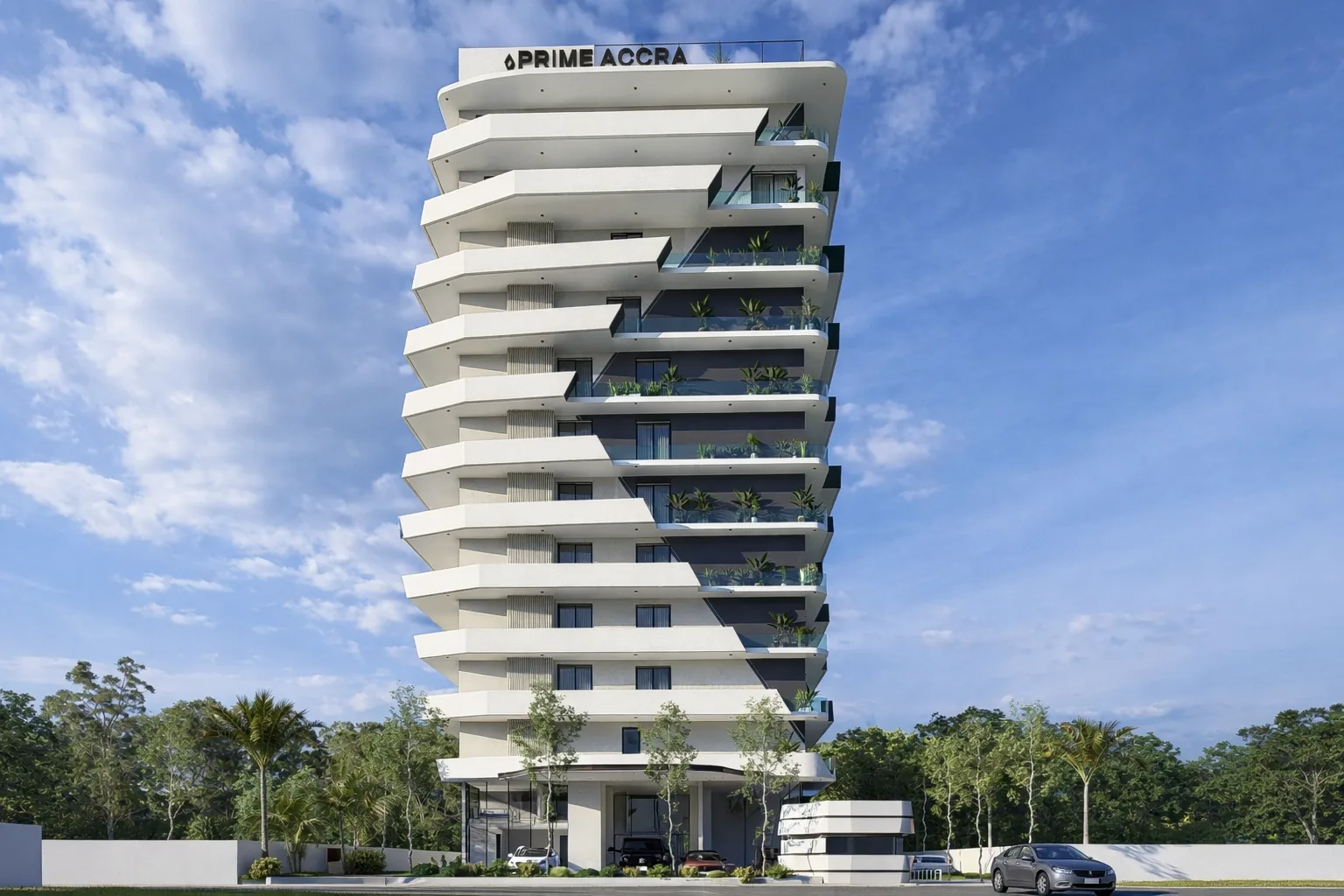
At KASA Properties Ltd., our approach brings together thoughtful design, quality in every detail and homes with purpose. If you would like to understand how Prime Accra has been planned and delivered, speak with our team.
Frequently asked questions
Who issues building permits in Accra?
Development and building permits are issued by the relevant Metropolitan, Municipal or District Assembly, through its physical planning department, under Ghana's planning laws including the Land Use and Spatial Planning Act, 2016 (Act 925).
What permits does a residential development in Ghana need?
Typically a development and building permit from the local Assembly, supported by an environmental permit from the Environmental Protection Agency where required and fire safety certification.
What should I ask a developer before buying off-plan?
Ask how the developer holds the land, which permits the project has, who the design and construction team are, how quality is supervised, what the handover and defects process is, and who will manage the building.
Sources
- Land Use and Spatial Planning Act, 2016 (Act 925) — Republic of Ghana
- Ghana Investment Promotion Centre — Land acquisition processes in Ghana
This article is general information about development in Ghana, not legal or professional advice. Requirements vary by location and project.