Leasehold vs Freehold in Ghana: What You Can Actually Own
Most homes in Ghana are bought on a lease, not outright. Here is what leasehold and freehold mean, how long a lease can run for citizens and non-citizens, and what that means when you buy an apartment in Accra.
By KASA Properties Ltd. team
Quick answer
In Ghana, most residential property is held on a leasehold, not freehold. Under the Land Act, 2020 (Act 1036), non-citizens cannot hold freehold and can hold a lease of no more than 50 years at any one time, renewable. Ghanaian citizens, including dual citizens, can generally hold leases of up to 99 years. Customary (stool, skin, clan or family) land cannot be granted as freehold.
Key takeaways
- Leasehold is the normal way to own a home in Ghana — including apartments.
- Non-citizens: leasehold only, capped at 50 years at any one time, and renewable.
- Ghanaian citizens and dual citizens: leases of up to 99 years are typical.
- A registered lease can be sold, mortgaged, gifted and inherited during its term.
- Always confirm the exact interest you are buying with a qualified Ghanaian lawyer.
What is the difference between leasehold and freehold?
Freehold means owning land outright, with no end date. Leasehold means you hold the exclusive right to use and occupy land (and the building on it) for a fixed number of years, granted by the landowner, usually in return for a premium and, in some cases, ground rent.
In much of the world, apartments are already sold on long leases. Ghana is similar: the large majority of residential property, including houses and apartments, changes hands as leasehold. A long lease is not a "lesser" form of home ownership — it is simply how land tenure works here.
Why is most land in Ghana leasehold?
A large share of land in Ghana is customary land, held by stools, skins, clans and families on behalf of their communities. The Land Act, 2020 (Act 1036), which consolidated Ghana's land laws, prohibits the creation of a freehold interest in stool, skin, clan or family land. Land held by the state and other owners is also commonly granted on lease.
The practical result: when you buy a home, you are usually buying a registered leasehold interest for a stated number of years.
Can foreigners own property in Ghana?
Yes — but only on a leasehold basis. Ghanaian law does not allow a freehold interest to be granted to a non-citizen, and the Land Act, 2020 caps any lease held by a non-citizen at 50 years at any one time. An agreement that tries to grant a non-citizen more than this is not valid.
Two points are often misunderstood:
- The cap is per grant, not a lifetime limit. Leases can be renewed, subject to the terms of the lease and the law at the time.
- A lease is a real, tradeable asset. A registered lease can generally be sold, mortgaged, gifted or passed on through inheritance for the rest of its term.
Companies with significant foreign shareholding can be treated as non-citizens for these purposes, so a corporate structure does not automatically change the rules. Take legal advice before using one.
What can Ghanaian citizens and the diaspora own?
Ghanaian citizens can generally hold leases of up to 99 years. Ghana recognises dual citizenship, and Ghanaians in the diaspora who hold Ghanaian citizenship (including dual citizens) are treated as citizens for land-tenure purposes. If you are a Ghanaian living abroad, keep your proof of citizenship ready — it affects the lease term you are entitled to.
What does this mean when you buy an apartment?
When you buy an apartment in a development, you typically acquire:
- A lease of the apartment itself (your unit), for a stated term.
- Rights over shared areas — lobby, lifts, corridors, parking and amenities — alongside the other owners.
- Obligations, such as paying a service charge towards maintenance, security and shared facilities.
Before you commit, ask for and read:
- The lease term offered to you and when it starts.
- Evidence of the developer's own title to the land and how your lease derives from it.
- How and when your lease will be registered with the Lands Commission.
- The service charge arrangements and who manages the building.
How do you protect yourself?
- Use an independent lawyer qualified in Ghana to review the title and the sale documents.
- Conduct an official search at the Lands Commission on the land.
- Make sure your interest is registered — registration is what protects you against competing claims.
- Pay through traceable channels (bank transfer, cheque or bank draft) and keep every receipt.
How KASA Properties Ltd. approaches this
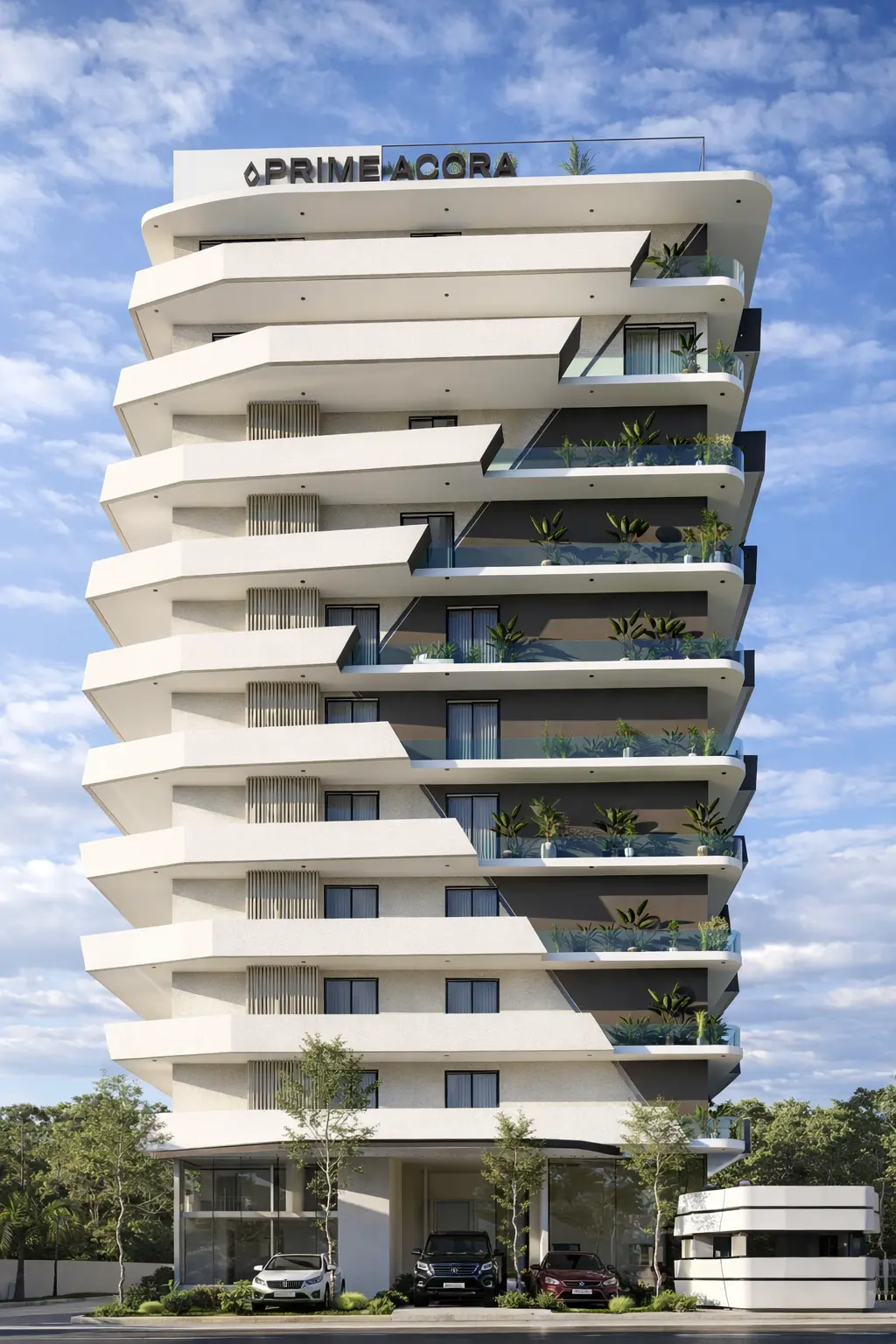
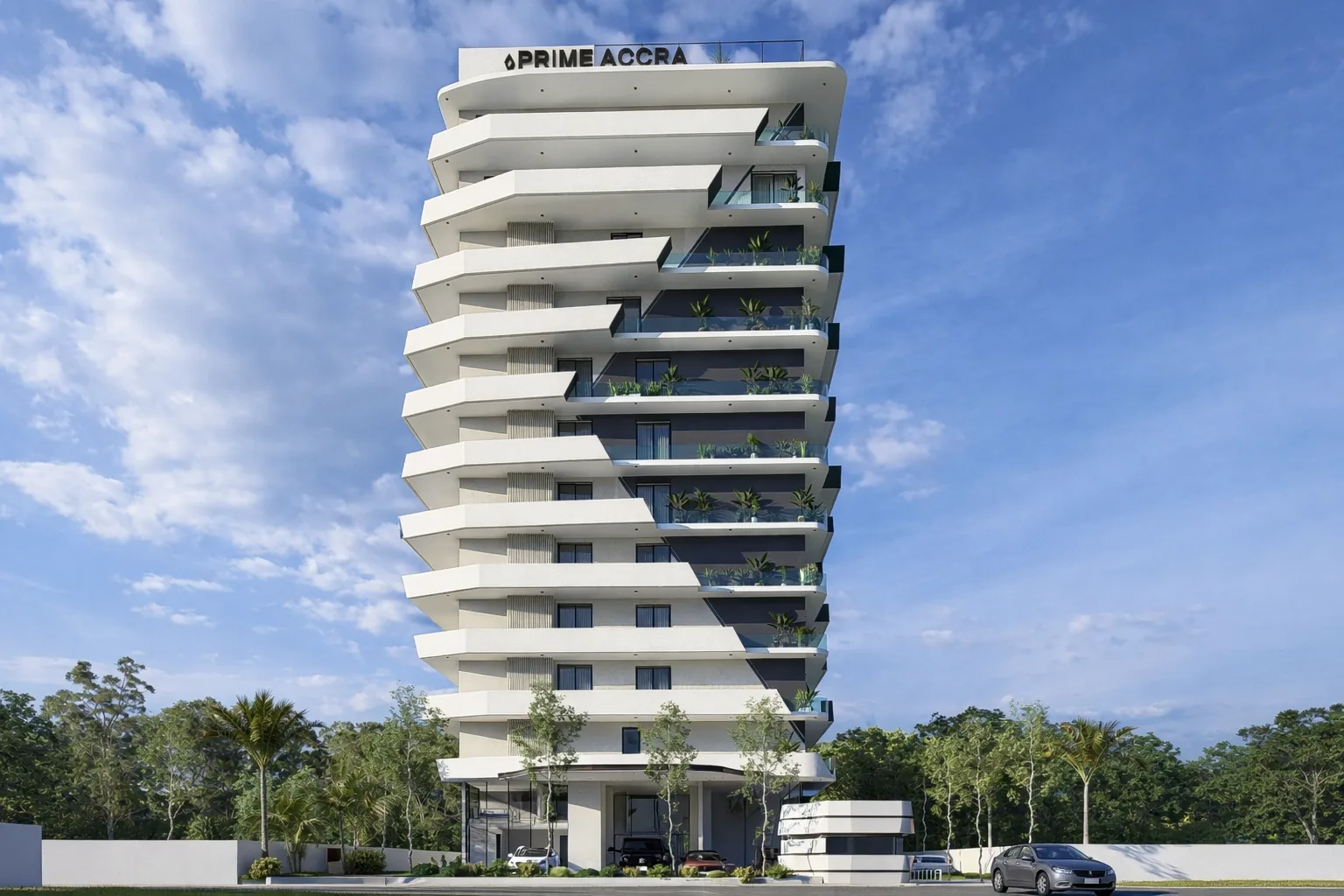
We believe buyers should understand exactly what they are buying. If you are considering a residence at Prime Accra, in Airport Residential Area, ask our team about the tenure and documentation for the apartment you are interested in, and have your own lawyer review everything.
Frequently asked questions
Can a foreigner buy a house or apartment in Ghana?
Yes. Non-citizens can buy residential property in Ghana, but only on a leasehold basis. Under the Land Act, 2020 (Act 1036), a non-citizen's lease cannot exceed 50 years at any one time, and it can be renewed.
How long is a lease in Ghana for Ghanaian citizens?
Ghanaian citizens, including dual citizens, can generally hold residential leases of up to 99 years.
Can I sell or pass on a leasehold property in Ghana?
Generally yes. A registered lease can be sold, mortgaged, gifted or inherited for the remainder of its term, subject to the terms of the lease.
Is freehold available in Ghana?
Freehold cannot be created in stool, skin, clan or family land, and cannot be granted to non-citizens. Most residential property is therefore sold as leasehold.
Sources
- Land Act, 2020 (Act 1036) — Republic of Ghana
- Ghana Investment Promotion Centre — Land acquisition processes in Ghana
This article is general information, not legal advice. Land law is detailed and fact-specific; confirm your position with a qualified Ghanaian lawyer before you buy.